A few weeks ago, I committed the grave sin of confusing the Apple II and Commodore 64 floppy disk drives! Mea Culpa!
As penance, I chose to read Michael Swaine’s Fire in the Valley, an engaging history of the Personal Computing Revolution. Michael Swaine, longtime editor and columnist of Dr. Dobb’s Journal, is a fantastic writer. I can see why this book has been rereleased several times—it’s worth a read!
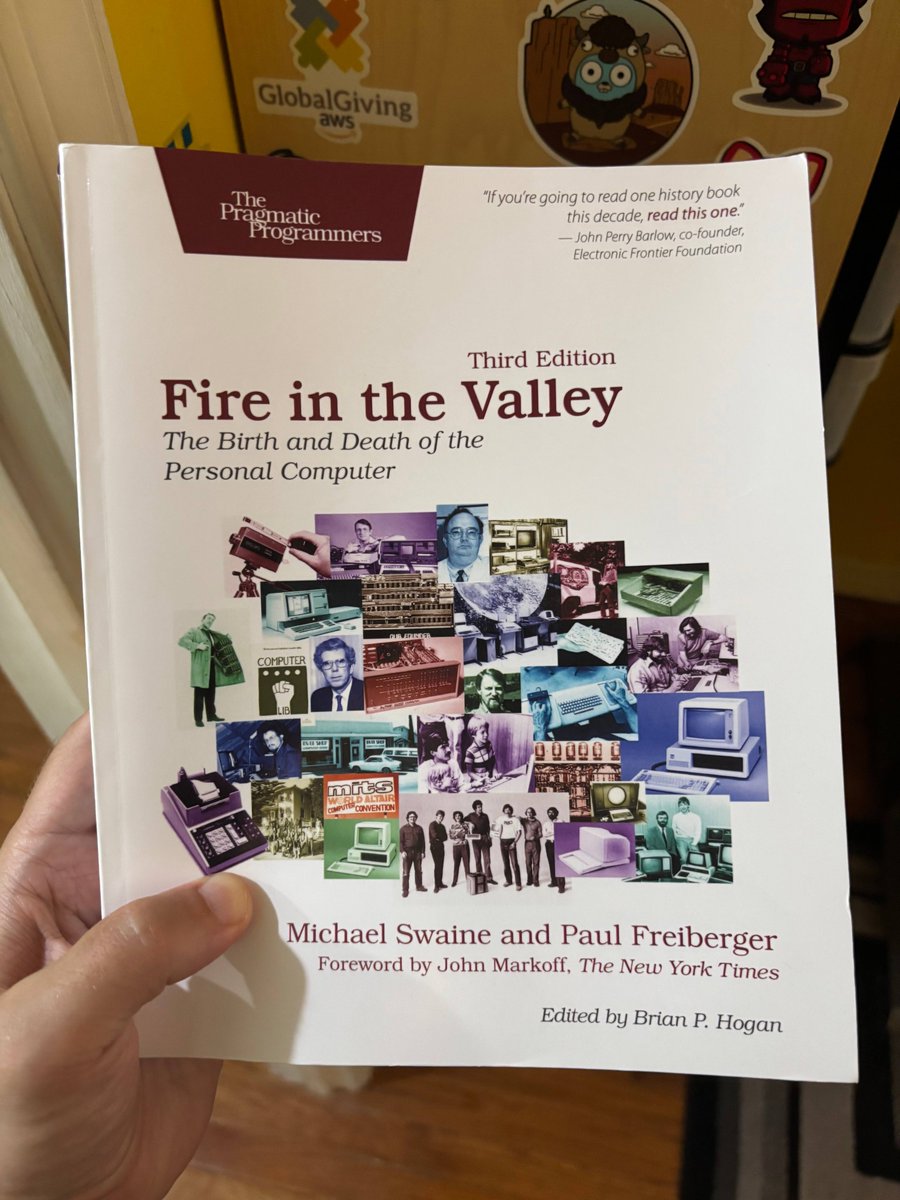
Portions of this book were later adapted into the TV movie Pirates of Silicon Valley. The core of the book focuses on the period between the release of the Intel 8080 microprocessor and IBM’s loss of control over the PC market, bookended by chapters exploring computing in the pre-PC and post-PC eras.
The Most Fascinating Section
In my opinion, the most fascinating section wasn’t the Jobs-Gates feud! It was the period from the design and launch of the MITS Altair in January 1975 through the release of the “1977 trinity”: the Apple II, Commodore PET, and TRS-80.
I honestly didn’t know much about the 8-bit CP/M era before reading this book, but the relationship between Microsoft and MITS, along with its striking parallels to the later battles between IBM and the PC clones in the 16-bit era, is extremely compelling.
MITS: The IBM Fight in Miniature
The story of MITS was essentially the IBM fight against PC clone makers in miniature. MITS created the first personal computer and then clashed with hobbyists who sold unauthorized third-party cards for it. One company that produced add-on cards for the Altair was even called Parasitic Engineering!
The hobbyist community reverse-engineered the Altair Bus and used standards bodies to wrestle technical control from Altair, leading to the S-100 bus. This enabled the creation of Altair clones from companies such as IMSAI (made famous in the movie Hackers).
The Microsoft-MITS “What-If”
The most intriguing “what-if” from this period revolves around the intellectual property dispute between Microsoft and MITS over the rights to “Altair BASIC.”
After Paul Allen and Bill Gates wrote their 4K BASIC interpreter for the Altair, MITS licensed it and hired Allen as their lead software engineer. Microsoft (originally “Micro-Soft”) was founded in Albuquerque, New Mexico, to serve as the legal entity for this licensing agreement with MITS, and Allen continued to moonlight at Microsoft outside his primary job at MITS.
Under the license, MITS was to gain the intellectual property rights to the interpreter once a revenue threshold was met. This threshold was reached, but Allen and Gates later legally challenged this clause to retain the rights to BASIC. The dispute went to a third-party arbitrator, who ruled in Microsoft’s favor.
Since BASIC licenses were critical to Microsoft’s early survival, a different ruling might have led to the company’s collapse before its move to Seattle.
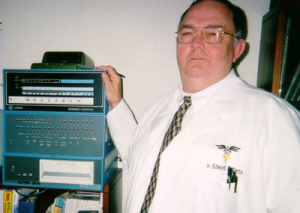
Ed Roberts, the founder of MITS, felt betrayed by Allen and Gates and left the tech industry entirely to attend medical school. He lived out the rest of his days as a gentleman farmer and country doctor in rural Georgia.
Lessons Learned at MITS
Through these experiences, Allen and Gates saw MITS being undercut by “Altair clones” on the hardware side and realized that non-exclusive software licensing could enable collaboration with the clone makers. Furthermore, they understood the critical role Gary Kildall’s CP/M played in the S-100 ecosystem.
The strategy they honed with MITS in Albuquerque later shaped their approach to IBM in Seattle, and they used sharp elbows to ensure MS-DOS supplanted CP/M during the transition from 8-bit to 16-bit Intel processors.
Unlike Gary Kildall, a relaxed PhD computer scientist concerned with perceptions of fair play, Bill Gates and Paul Allen had sharper elbows and animal spirits, and they were willing to leverage the operating system as a choke point to strong-arm hardware and software partners when it suited them.
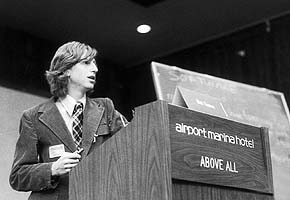
Here’s an image of Bill Gates speaking at the Altair Computer Convention in Albuquerque in 1976. He looks book with long hair!
Ted Nelson’s Infamous Talk
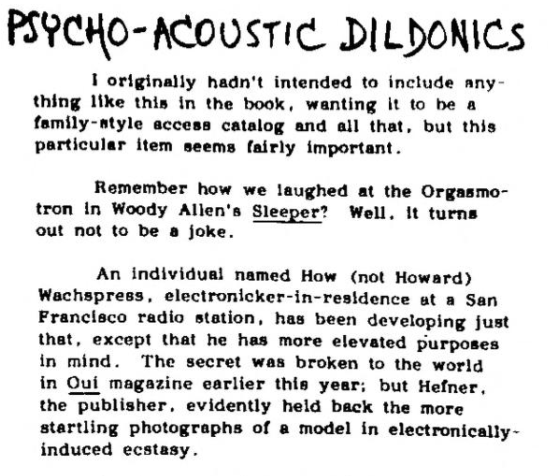
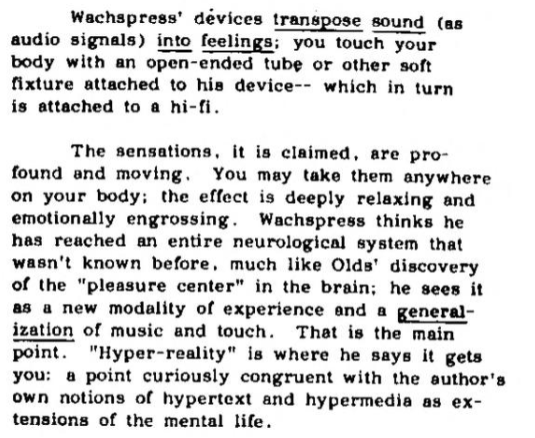
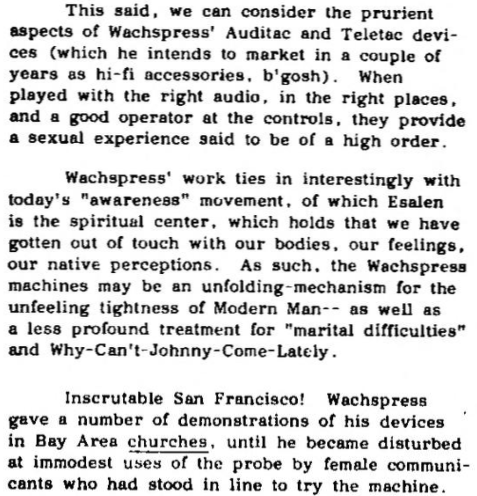
This is the same convention where Ted Nelson infamously gave a surprise talk on Psychoacoustic Dildonics. The organizers considered pulling him from the stage! Ted coined the term “dildonics” in his 1974 book Computer Lib/Dream Machines. Mad lad!
The Altair Ad That Started It All
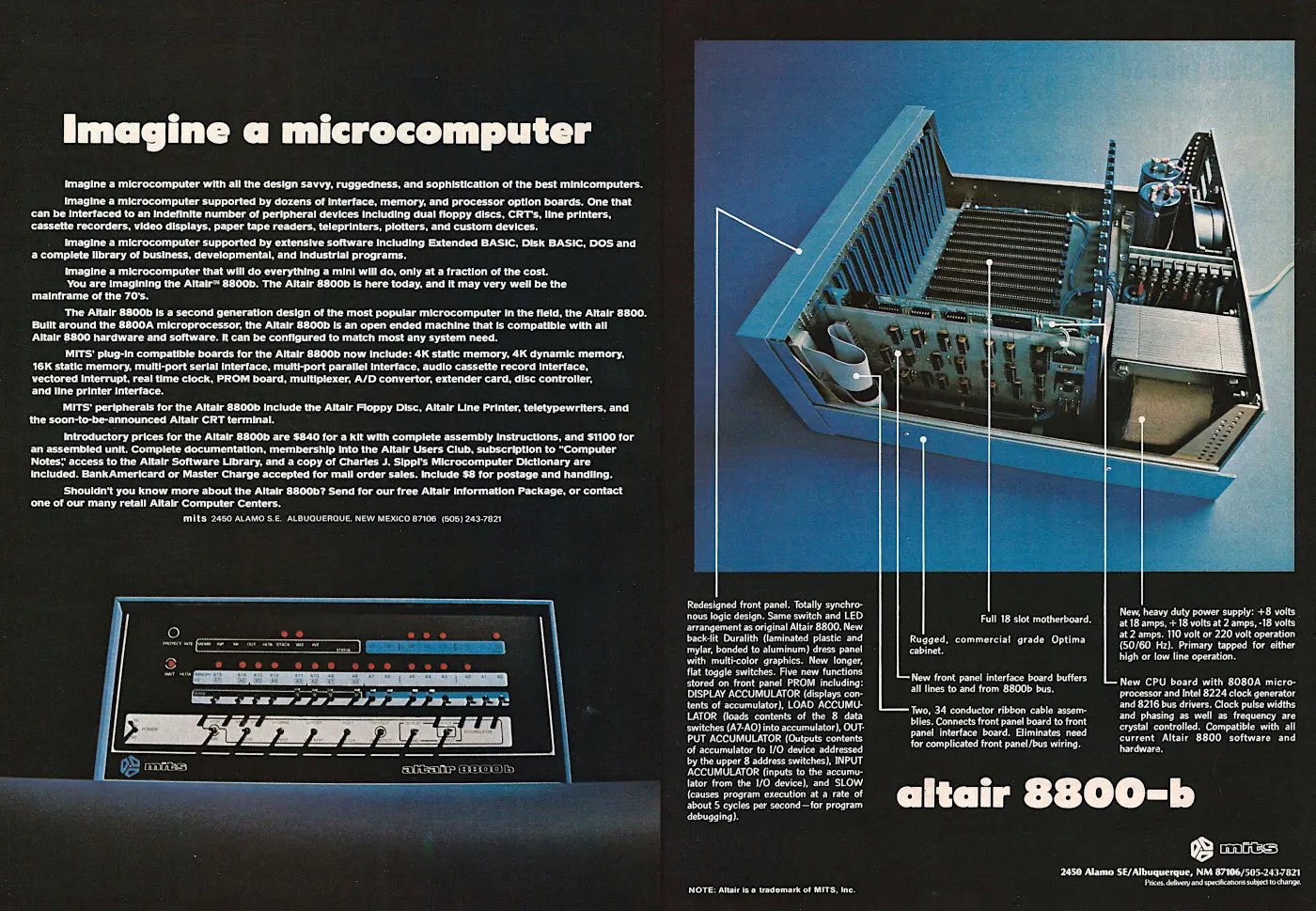
Here’s a Popular Electronics ad for the MITS Altair around that time. The 18 slots on the motherboard are what later became known as the S-100 bus. Note the lower price for an unassembled kit. This was still a hobbyist market.